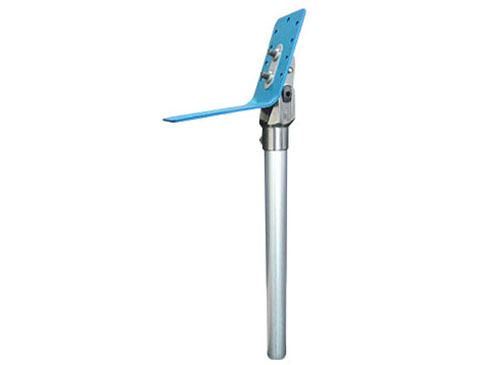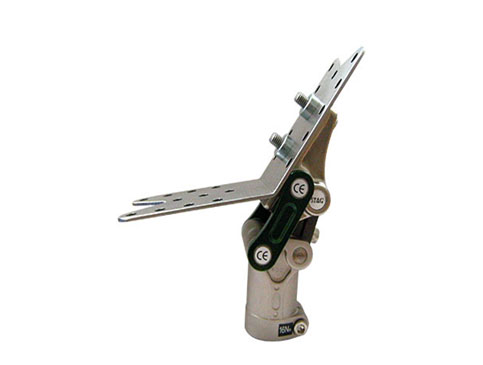
Prosthetic Hip joint
Here’s an overview of the types of prosthetic hip joints, their features and innovations, and the benefits of prosthetic feet:
Types of Prosthetic Hip Joints
Single-Axis Hip Joints
- Description: These joints allow motion primarily in one plane, mimicking basic hip movement.
- Usage: Ideal for individuals with low activity levels.
Multi-Axis Hip Joints
- Description: Enable movement in multiple planes, offering better stability and adaptability to uneven surfaces.
- Usage: Suitable for active individuals requiring enhanced mobility.
Hydraulic or Pneumatic Hip Joints
- Description: Utilize fluid or air to provide smooth and controlled motion.
- Features: Improved swing-phase control and energy efficiency.
Microprocessor-Controlled Hip Joints
- Description: Advanced systems with sensors and microprocessors for real-time adjustments.
- Features: Adaptive gait patterns, stumble recovery, and enhanced safety.
Modular Hip Joints
- Description: Components that can be customized based on the user’s needs.
- Usage: Offers flexibility for different levels of amputation and mobility goals.
Features and Innovations in Prosthetic Hip Joints
- Real-Time Sensor Integration: Senses ground reaction forces for better balance and gait control.
- Energy-Storing Mechanisms: Store and release energy to replicate natural motion.
- Lightweight Materials: Use of carbon fiber and titanium for durability and reduced weight.
- Smart Connectivity: Bluetooth-enabled devices for remote adjustments and monitoring via apps.
- Biomechanical Designs: Mimic natural anatomical movements for improved comfort and efficiency.
Benefits of Prosthetic Feet
Restoration of Mobility:
- Enables walking, running, and other physical activities.
Improved Balance and Stability:
- Advanced designs offer better support on uneven terrain.
Energy Efficiency:
- Energy-return feet reduce fatigue by mimicking natural foot propulsion.
Customization Options:
- Tailored to suit individual activity levels and preferences.
Durability and Comfort:
- High-tech materials provide longevity and minimize discomfort.
Aesthetic Appeal:
- Cosmetic covers can enhance appearance to match the user’s skin tone.
Key Prosthetic Feet Innovations
- Dynamic Response Feet: Provide energy return for running or high-impact activities.
- Microprocessor-Controlled Feet: Adapt to terrain and walking speed in real-time.
- Split-Toe Design: Enhances adaptability on uneven surfaces.
- Waterproof and All-Terrain Feet: Expand usability in different environments.
If you’d like to explore specific products, manufacturers, or a detailed comparison of different models, let me know!