Prosthetic Knee Joints
Types of Prosthetic Knee Joints
Single-Axis Knee Joint
- Description: Simple hinge mechanism allowing flexion and extension.
- Features: Lightweight, basic structure, low cost.
- Best For: Individuals with low activity levels or limited mobility.
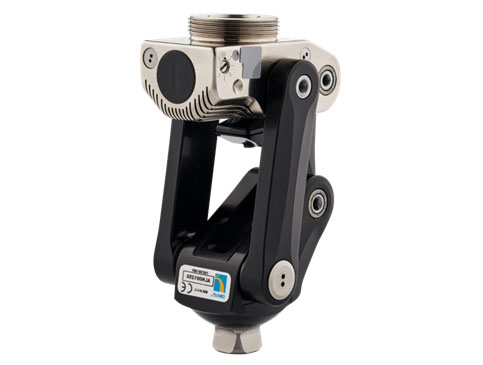
Polycentric Knee Joint
- Description: Multi-axis mechanism mimics natural knee movement.
- Features: Stable at heel strike, enhanced swing phase, improved stability on uneven terrain.
- Best For: Active users needing more natural gait patterns.
Hydraulic Knee Joint
- Description: Uses hydraulic fluid for controlled movement.
- Features: Adjustable resistance for varying walking speeds, smoother transitions.
- Best For: Moderate to highly active individuals.
Pneumatic Knee Joint
- Description: Air pressure systems regulate movement.
- Features: Lightweight, energy-efficient, customizable speed adjustment.
- Best For: Active users seeking smoother gait transitions.
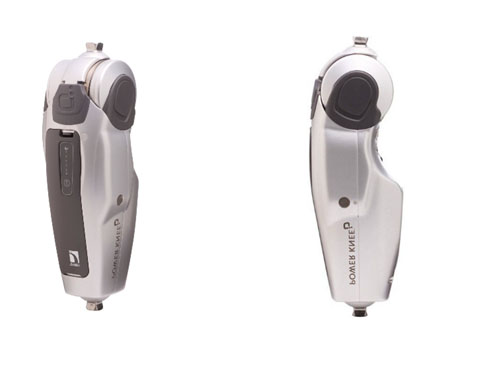
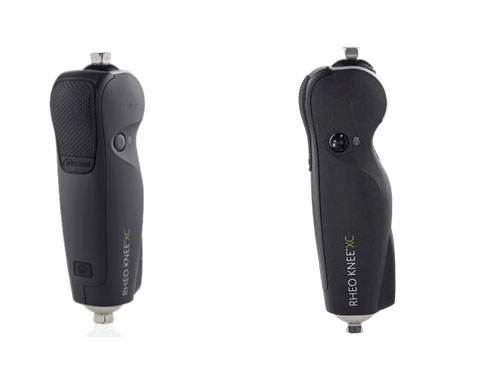
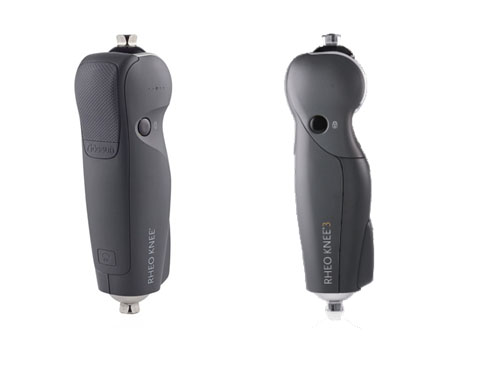
Microprocessor-Controlled Knee (MPK)
- Description: Incorporates sensors and microprocessors to adapt in real time.
- Features: Adaptive stance and swing phase control, enhanced safety, and stability.
- Best For: Highly active users requiring maximum flexibility and precision.
Manual Locking Knee
- Description: Locks in place for maximum stability.
- Features: Prevents unintentional bending, offers secure support.
- Best For: Elderly users or those needing maximum stability.
Features and Innovations in Prosthetic Knee Joints
- Real-Time Adaptability: Advanced sensors in MPKs adjust to terrain and speed.
- Improved Stability: Innovations like polycentric designs and hydraulic systems ensure secure footing.
- Energy Efficiency: Pneumatic systems and lightweight materials reduce user fatigue.
- Customizable Resistance: Adjustable controls for walking, running, or cycling.
- Wireless Connectivity: Bluetooth-enabled MPKs allow programming and monitoring via apps.
- Long-Lasting Materials: Titanium, carbon fiber, and advanced polymers enhance durability.
Benefits of Prosthetic Knee Joints
- Restored Mobility: Allows users to walk, run, and perform daily activities.
- Improved Quality of Life: Reduces physical limitations and boosts confidence.
- Enhanced Safety: Advanced features prevent falls and injuries.
- Natural Gait: Mimics anatomical knee movement for better comfort and appearance.
- Customization: Adaptable to individual needs and activity levels.
- Durability: Designed for long-term use under varying conditions.
Would you like more detailed insights on any specific type, feature, or benefit?